How to Build the Perfect Progression Path in Core Keeper From Early Survival to Endgame Automation
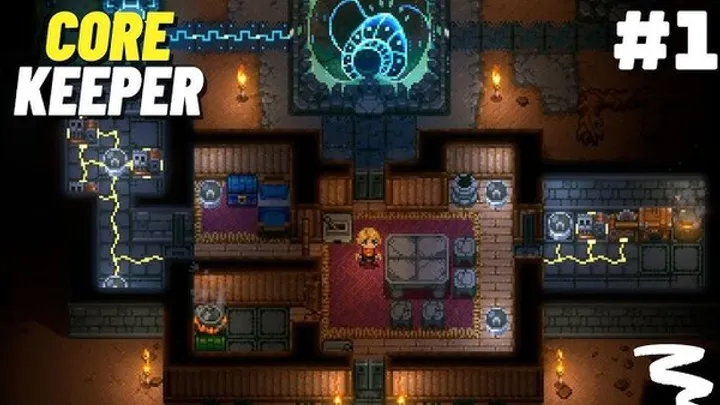
Core Keeper is one of the most rewarding sandbox survival games because it combines exploration crafting farming automation and boss progression into a single underground adventure. Many new players enter the game expecting a simple mining experience similar to Terraria or Stardew Valley. However Core Keeper becomes much deeper once players realize that progression is connected tightly to resource management biome preparation combat scaling and efficient base design.
One of the biggest problems beginners face is wasting time on inefficient progression. Some players rush bosses without upgrading gear while others spend dozens of hours farming low level materials without understanding how automation and biome expansion work. Because the game world opens gradually players who follow a structured progression path gain resources mobility and power far faster than players who explore randomly.
This guide explains how to create the perfect progression path in Core Keeper from the opening minutes of survival all the way to late game automation advanced farming and boss preparation. Instead of providing general beginner tips this article focuses specifically on how to move efficiently through every major stage of the game while avoiding common mistakes that slow progression dramatically.
How to Start Your First Base Correctly
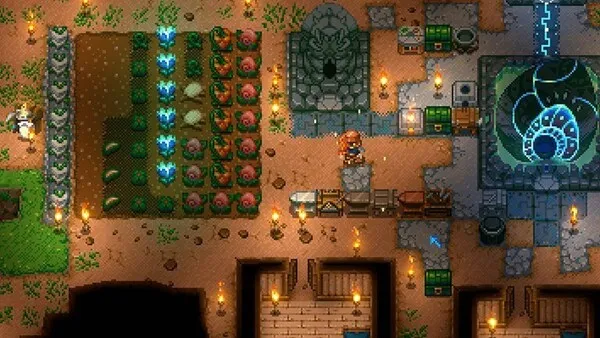
The first minutes in Core Keeper determine how smoothly your progression develops later. Many beginners immediately start digging randomly outward from the Core but this often creates disorganized tunnels poor storage placement and inefficient crafting layouts.
The best approach is to establish a structured central base immediately around the Core area. This location naturally becomes your long term hub because teleportation crafting farming and NPC housing all eventually connect back to the Core.
Why Early Organization Matters
Core Keeper rewards long term planning more than most survival games. Players who create organized crafting zones and storage systems early save enormous amounts of time later when resource complexity increases.
You should begin by clearing large open spaces around the Core instead of building tiny rooms. Open layouts make future expansion much easier.
Essential Early Base Priorities
- Place crafting stations near each other
- Create separate storage zones
- Reserve large areas for future farming
- Build organized smelting sections
- Keep pathways wide for automation later
A clean base layout during the first hour prevents major rebuilding later in the game.
How to Gather Early Resources Efficiently
The opening biome contains the materials necessary for your first major upgrades. Copper ore wood roots slime and fiber become essential during the early progression phase.
New players often over mine walls randomly but targeted mining routes are much more effective. Focus on expanding outward in controlled directions while collecting all visible ore veins.
Best Early Resource Priorities
Copper should become your first major focus because it unlocks stronger tools weapons and crafting stations. Wood and plant fiber are also extremely important because torches bridges and early workbenches require them constantly.
Food preparation matters earlier than many players realize. Cooking simple meals gives stat bonuses that improve mining speed movement and survivability.
Resources You Should Prioritize First
- Copper ore
- Wood roots
- Plant fiber
- Slime drops
- Mushrooms and basic food
Avoid wasting early ore on decorative items before upgrading your essential equipment.
How to Defeat Glurch the Abominous Mass
Glurch is usually the first boss most players encounter and defeating it unlocks important progression systems. However many beginners underestimate how dangerous the fight becomes without proper preparation.
The key to defeating Glurch consistently is movement space. Fighting inside narrow tunnels almost guarantees failure because the boss jumps rapidly and covers large distances.
Preparing the Arena Properly
Before summoning or engaging Glurch clear a large circular arena around the slime biome. Remove obstacles water patches and narrow corridors.
Movement speed becomes extremely valuable during this battle. Even basic movement food buffs can dramatically improve survivability.
Recommended Preparation Before Glurch
- Craft copper armor
- Bring ranged weapons
- Cook movement speed food
- Clear a large arena
- Carry healing items
Once defeated Glurch opens access to important progression items and new biome exploration opportunities.
How to Unlock Better Gear Progression
After defeating the first bosses many players become unsure about which gear path to prioritize. Core Keeper offers melee ranged magic and hybrid builds but early progression strongly favors balanced survivability.
Tin ore and improved crafting stations become the next major objective. Stronger pickaxes dramatically increase mining efficiency which accelerates every future progression system.
Why Mining Speed Is More Important Than Damage
Many beginners prioritize weapon upgrades first but faster mining creates exponential progression advantages. Better pickaxes unlock resources faster which leads to stronger armor better food and improved automation.
Your progression speed depends heavily on how quickly you can reach new biomes safely.
Most Important Mid Game Upgrades
- Tin pickaxe
- Improved crafting bench
- Better lanterns
- Armor with mobility bonuses
- Expanded storage systems
Efficient resource gathering matters more than rushing combat power too early.
How to Build Sustainable Food Farms
Food becomes one of the most important systems in Core Keeper because cooking provides powerful buffs that affect nearly every activity in the game.
Many new players rely entirely on random food drops but proper farming transforms progression completely. Sustainable food production improves exploration combat and mining efficiency simultaneously.
Setting Up Your First Real Farm
The best early crops include heart berries bomb peppers and glowing tulips. Farming near your main base reduces travel time and makes cooking preparation easier.
Water placement matters heavily because many crops grow faster or more efficiently near water channels.
Essential Farming Tips
- Use organized crop rows
- Place water strategically
- Store seeds separately
- Cook buff combinations regularly
- Expand farms continuously
A strong food system often matters more than minor weapon upgrades.
How to Explore Biomes Without Dying Constantly
As players move farther from the Core biome difficulty increases dramatically. The Clay Caves Forgotten Ruins and later areas introduce stronger enemies environmental hazards and more dangerous exploration patterns.
One of the biggest mistakes beginners make is exploring too aggressively without establishing safe routes home.
Creating Safe Exploration Networks
Torch placement is extremely important in Core Keeper because darkness reduces visibility and increases confusion during combat.
Instead of random tunneling build structured highways connecting major biomes. Rails become incredibly valuable later for long distance travel.
Exploration Safety Priorities
- Place torches consistently
- Build return pathways
- Carry bridge materials
- Store valuables frequently
- Avoid overextending inventory runs
Controlled exploration prevents unnecessary resource loss.
How to Automate Resource Production
Automation becomes one of the most satisfying aspects of Core Keeper during mid and late game progression. Conveyor belts drills robotic arms and electrical systems allow players to scale production massively.
However many players delay automation too long because manual farming initially feels manageable.
Why Automation Changes Everything
Once automation begins resource shortages become far less common. Ore drilling systems especially reduce grinding dramatically.
The best approach is starting with small automated setups before attempting massive industrial systems.
Best First Automation Projects
- Automated ore drills
- Smelting conveyor systems
- Crop harvesting layouts
- Fishing automation
- Storage sorting systems
Automation saves enormous time during endgame progression.
How to Prepare for Major Bosses
Later bosses in Core Keeper require far more preparation than early encounters. Armor food mobility arena construction and environmental control all become critical.
Players who simply rush boss arenas often struggle repeatedly because late game combat expects preparation rather than improvisation.
The Importance of Specialized Loadouts
Different bosses reward different combat styles. Some favor ranged attacks while others require mobility or defensive endurance.
Food buffs become absolutely essential during advanced fights. Proper meals can increase survivability dramatically.
Boss Preparation Checklist
- Bring buff foods
- Upgrade healing supplies
- Clear movement space
- Repair equipment beforehand
- Learn attack patterns patiently
Boss progression becomes much smoother when preparation replaces brute force attempts.
How to Create an Efficient Late Game Base
By late game many players realize their original base layout no longer supports growing crafting and automation needs.
An efficient late game base should separate industrial farming storage and decorative areas clearly.
Organizing Your Endgame Hub
Centralized crafting saves huge amounts of travel time. Keep frequently used stations close together while moving large automation systems slightly farther away.
Transportation systems become increasingly important as your world expands.
Essential Late Game Base Features
- Rail transportation hub
- Massive storage walls
- Dedicated cooking zones
- Automated smelting systems
- Large farming districts
Well designed bases dramatically improve long term gameplay efficiency.
How to Manage Multiplayer Progression
Core Keeper becomes significantly different in multiplayer because resource sharing boss progression and exploration speed all increase rapidly.
However multiplayer worlds can also become disorganized very quickly without planning.
Dividing Responsibilities Efficiently
The best multiplayer groups naturally divide into roles. Some players focus on farming while others specialize in exploration automation or combat.
Shared storage systems become extremely important to avoid confusion and wasted resources.
Strong Multiplayer Strategies
- Assign resource responsibilities
- Share upgrade priorities
- Coordinate boss attempts
- Organize storage carefully
- Expand transportation systems together
Good teamwork accelerates progression enormously.
How to Reach Endgame Without Burning Out
One hidden challenge in Core Keeper is pacing. Because the game contains endless exploration and building opportunities some players become overwhelmed trying to optimize everything immediately.
The best progression path balances efficiency with creativity. Rushing every boss too quickly can reduce enjoyment while excessive grinding slows momentum.
Maintaining Long Term Motivation
Alternating activities helps prevent burnout. Spend some sessions farming or decorating instead of constantly grinding resources or fighting bosses.
Core Keeper works best when players gradually expand their underground world rather than treating progression as a checklist.
Healthy Progression Habits
- Alternate gameplay activities
- Improve your base gradually
- Experiment with builds
- Explore new biomes slowly
- Focus on long term efficiency
The game rewards patience creativity and consistent improvement over pure speed.
How to Master the Full Progression Loop
Eventually experienced players realize that Core Keeper revolves around one central progression loop. Exploration unlocks resources. Resources improve gear. Better gear enables automation. Automation supports larger exploration.
Understanding this cycle helps players progress efficiently without confusion.
The True Goal of Efficient Progression
The objective is not simply defeating bosses quickly. Instead successful progression creates a self sustaining underground civilization capable of supporting exploration combat farming and automation simultaneously.
Players who master this balance reach endgame far more smoothly than those focusing only on combat progression.
Final Long Term Priorities
- Expand automation steadily
- Upgrade mobility constantly
- Improve food production
- Organize storage systems
- Build scalable infrastructure
Core Keeper becomes most rewarding when every system supports future growth naturally.
Conclusion
Core Keeper offers one of the deepest progression systems in modern sandbox survival games because every mechanic connects directly to exploration crafting farming combat and automation. Players who approach the game randomly often waste dozens of hours through poor resource management disorganized bases and inefficient progression routes.
The most effective path begins with strong early organization efficient mining and sustainable farming before expanding into structured exploration boss preparation and eventually large scale automation. Along the way players gradually transform a tiny underground shelter into a massive industrial civilization capable of supporting every late game challenge.
More importantly Core Keeper rewards thoughtful planning far more than reckless speed. Efficient transportation systems organized crafting layouts food optimization and automated resource production create exponential progression advantages over time. By understanding how each gameplay system connects players can experience smoother faster and far more enjoyable long term progression from the first copper pickaxe to full endgame automation.