

Introduction
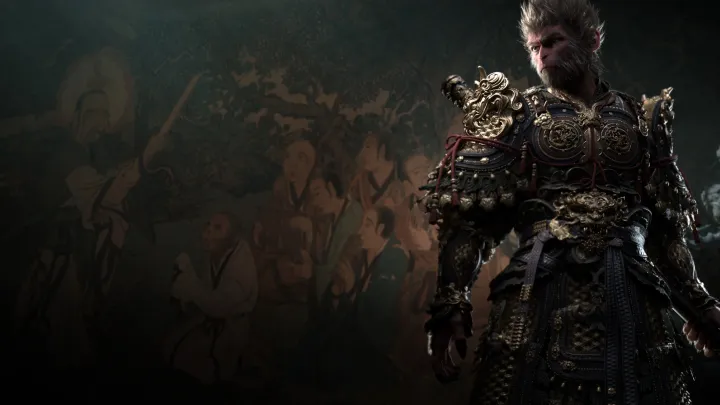
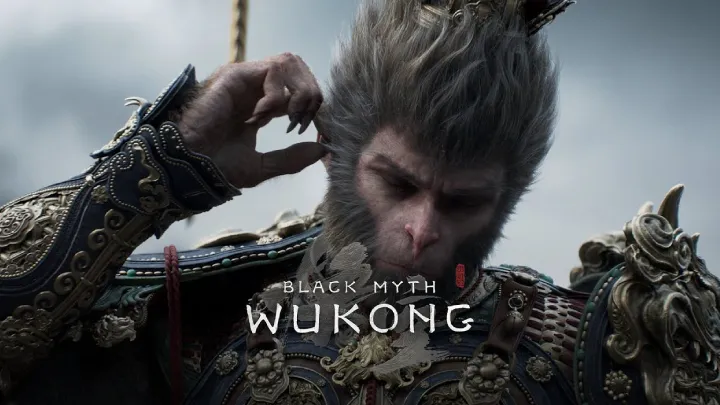
Black Myth: Wukong has emerged as a highly anticipated title within the gaming community, showcasing impressive visuals, dynamic combat, and a rich narrative rooted in Chinese mythology. As players step into the role of Sun Wukong, the Monkey King, they are thrust into an epic journey that not only tests their combat skills but also delves deeply into the themes of identity, transformation, and self-discovery. The game presents a complex interplay between personal growth and mythological influences, allowing players to explore what it truly means to be a hero in a world rife with conflict and deception. This article examines how Black Myth: Wukong tackles the quest for identity, illustrated through Sun Wukong's adventures, the choices players face, and the overarching narrative arc.
The Rich Tapestry of Chinese Mythology
Understanding the Source Material
Black Myth: Wukong draws heavily from the renowned Chinese epic, "Journey to the West." This story follows the adventures of Sun Wukong, who embarks on a quest to obtain sacred scriptures, displaying remarkable powers and a rebellious spirit. The game retains the essence of the original tale while introducing innovative gameplay mechanics and a modern narrative. Understanding this mythological foundation is crucial in assessing how the game explores themes of identity.
Reconstruction of Wukong's Myths
In adapting these stories, Black Myth: Wukong reconstructs Wukong’s identity, blending traditional elements with new interpretations. Players encounter iconic characters such as the Dragon Queen, Buddha, and even the White Bone Demon throughout their adventure, each personifying aspects of Wukong's character—offering insight into his multifaceted identity. This rich tapestry of mythology serves not only as a backdrop but also as an active force guiding Wukong's character development.
The Formation of Wukong's Identity
The Journey Begins
From the outset, Wukong’s journey is marked by challenges that force him to reckon with his identity. Players witness his evolution from a rebellious spirit into a mature hero, grappling with themes of loyalty, sacrifice, and purpose. The opening stages of the game set the tone for Wukong’s internal conflicts and reveal the ethos that drives him.
Internal Conflict: Self vs. Expectations
Wukong’s struggles often reflect the tensions between personal desires and external expectations. His unparalleled powers can sometimes lead to hubris, forcing him to confront the consequences of his transcendence. This internal battle is captured beautifully in the game’s narrative choices, encouraging players to embrace or reject the darker impulses of Wukong's character, effectively shaping his identity along the way.
The Role of Transformation in Identity
Physical Transformations
One of the most striking features of Black Myth: Wukong is the emphasis on transformation. Wukong's ability to change into various forms represents not only his power but also the fluidity of his identity. Each transformation presents new gameplay dynamics, allowing players to experience different aspects of Wukong’s character.
Metaphysical Changes
Beyond physical alterations, Wukong's transformations also serve as metaphors for personal growth. His shifting identities symbolize resilience and adaptability, qualities that are integral to his character arc. Through these transformations, players can explore the significance of change in shaping one's identity and the duality of strength and vulnerability.
The Impact of Companionship on Identity
Allies and Relationships
Throughout Wukong's quest, he encounters various allies—each contributing uniquely to his identity formation. Characters such as Xuánzàng and Zhu Bajie not only advance the narrative but also serve as reflections of Wukong's growth. The dynamics within these relationships illustrate how companionship influences identity through shared experiences and conflict.
Conflict and Cooperation
Conversely, relationships in Black Myth: Wukong are often fraught with tension. Players witness how past grievances and misunderstandings can impact interpersonal dynamics, compelling Wukong to navigate the complexities of trust while forging new alliances. These interactions deepen the narrative, offering players a chance to explore how personal connections can both uplift and challenge a hero’s identity.
Choices and Consequences: The Player’s Role in Identity
Decision-Making Mechanics
Black Myth: Wukong incorporates decision-making mechanics that affect the character's journey. Players are often faced with choices that influence Wukong’s identity and destiny. These decisions may range from combat tactics to moral dilemmas, shaping not only the immediate gameplay experience but also the overarching narrative.
The Ripple Effect of Choices
The impact of these choices extends beyond Wukong and affects his relationships with other characters and the world around him. For instance, selecting a violent approach in a particular encounter may lead to trust issues with allies or provoke the wrath of enemies. This interconnectedness highlights the idea that identity is not a singular path but rather a complex web of choices, relationships, and their resultant consequences.
The Narrative of Redemption
Confronting the Past
Redemption becomes a recurring theme in Wukong's journey. As he battles external foes, he is also faced with internal demons stemming from his past—mistakes, regrets, and the legacy of his actions. The narrative invites players to reflect on Wukong's pursuit of redemption and whether a hero can oust the shadows of their past while forging a new identity.
Forging a New Path
Wukong's path to redemption is also characterized by personal sacrifice—often choosing the greater good over his immediate desires. The exploration of this theme resonates throughout his interactions and choices, encouraging players to think critically about their definitions of heroism, justice, and personal accountability.
The Dynamics of Power and Responsibility
The Burden of Strength
As Wukong's powers grow, so does the weight of responsibility. The game explores the implications of wielding great power, questioning how it affects one's identity. Characters often voice concerns about Wukong's ability to handle his strength, forcing players to examine the balance between power and responsibility.
Ethical Dilemmas of Power
Throughout the game, Wukong faces ethical dilemmas that test his judgment. From deciding whether to save a village or pursue a personal quest to exploit a situation to his advantage, these moments challenge him to reflect on his values. The choices made during these interactions force players to consider the implications of power on identity, underpinning the narrative with philosophical questions about morality.
Environmental Influences on Identity
Interactive World
The richly designed world of Black Myth: Wukong serves as both a backdrop and an active participant in Wukong's journey. Environments are not merely locations but catalysts that influence his identity through challenges, encounters, and exploration.
Landscapes of Transformation
From demon-infested forests to tranquil temples, each new environment presents unique challenges that shape Wukong's character. For instance, a peaceful area may inspire introspection, leading to crucial character development, while hostile territories force Wukong into combat mode, amplifying aspects of his warrior identity. The environments hence contribute to the narrative exploration of self-discovery.
The Legacy of Change and Identity
Building a Lasting Legacy
As Hades confronts his past and learns from his journey, players are given a glimpse into the potential legacy he can leave behind. The game introduces the idea that one’s actions have a ripple effect, not only shaping the individual but also affecting future generations.
Inspiring Future Heroes
Through Wukong's narrative, the game poses critical questions about legacy. How will his actions affect those who come after him? What kind of identity will he leave behind? Players will grapple with these themes as they navigate Wukong's evolving story, emphasizing the importance of choices and their bearing on identity, future, and legacy.
Conclusion
Black Myth: Wukong offers a richly textured exploration of identity, weaving together elements of myth, personal growth, and philosophical inquiry. Through the character of Sun Wukong, players are encouraged to engage deeply with the themes of fate, choice, and transformation while traversing the enchanting world of the game. The narrative not only invites players to reflect on Wukong's journey but also prompts them to consider their own connections to identity and morality. By skillfully intertwining engaging gameplay with profound thematic elements, Black Myth: Wukong stands as a compelling title that promises not just entertainment but also introspective depth, shaping a legacy for itself within the gaming landscape.