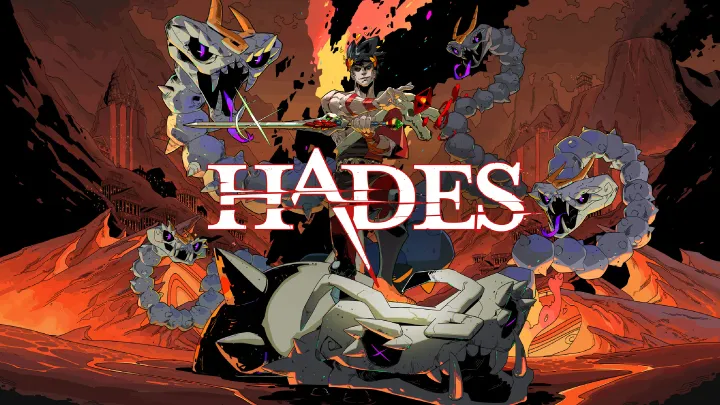





Hades is one of the most celebrated roguelike action games ever created, known for its fast paced combat, deep storytelling, character development, and endless replay value. The heart of the game lies in escaping the Underworld again and again as Zagreus, the son of Hades, while discovering new powers from the Olympian gods and learning more about the family secrets that shape his destiny. Because every run is different, players must learn not only how to fight, but how to adapt, plan, experiment, and manage resources across the constantly changing rooms of Tartarus, Asphodel, Elysium, and beyond.
This guide teaches you how to play Hades effectively by covering everything from combat basics to advanced build strategies, weapon mastery, keepsake usage, god boon synergy, resource management, and how to approach each area of the Underworld. It follows the required structure with ten main sections arranged in logical order of progression. Whether you are new to the game or returning to improve your runs, this guide explains how to master combat flow, how to survive increasing difficulty, and how to build strong runs that can defeat Hades himself.
By the end of this guide, you will have a full understanding of how to survive longer, build stronger Zagreus setups, deal with bosses, maximize progression across multiple runs, and enjoy the narrative layers that make Hades unique among roguelikes.
Understanding the Core Flow of a Hades Run
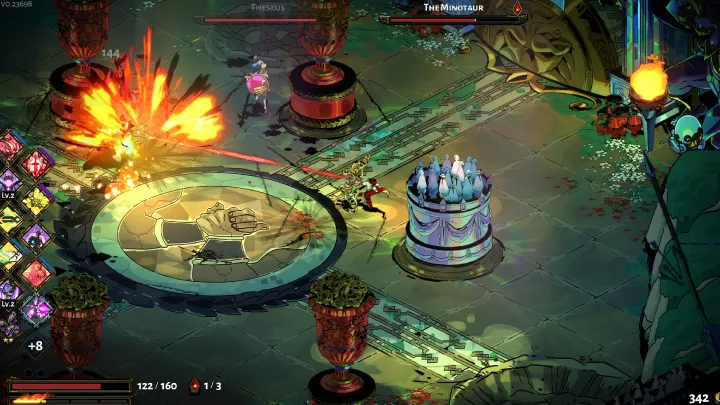
Hades is structured so that every run begins at the House of Hades and progresses through a series of rooms filled with enemies, rewards, and choices. The core loop requires players to defeat enemies, collect boons, gain currency, and adapt constantly to new situations. No two runs are identical, because every boon and weapon upgrade changes the way Zagreus fights.
To understand the flow, players must pay attention to the randomized nature of rewards. Each room contains its own challenge, sometimes involving enemy waves, traps, or environmental hazards such as lava pools or explosive pots. Learning how rooms function and how enemies behave allows players to face challenges with confidence. Experienced players naturally anticipate danger based on room layout and enemy type.
After each room, Zagreus receives rewards that determine how the rest of the run unfolds. These include boons from gods, Daedalus Hammer upgrades for weapons, healing fountains, shop opportunities, and more. This constant decision making shapes your success. Understanding this flow helps players remain calm and strategic even when the run becomes chaotic.
How to Master Zagreus Movement and Combat Fundamentals
Movement is the foundation of survival in Hades. Zagreus has a sprint dodge that lets him avoid damage quickly. Learning when to dash, where to dash, and how many times to dash in sequence determines how long you can survive in late game challenges. Precise movement helps you position yourself to avoid traps and enemy attacks.
Basic attacks vary depending on the chosen weapon. Players should experiment with each weapon to learn its range, speed, and ideal attack rhythm. Knowing how long a combo lasts and when you are vulnerable after attacking helps you avoid taking unnecessary hits. Understanding hitboxes, charge times, and cancel timing greatly improves performance.
Cast abilities add another layer. The bloodstone cast can deal burst damage, stack effects, or modify builds depending on which boon enhances it. Using cast effectively requires timing and awareness of boss patterns. Combining cast, attack, special, and dash consistently is the key to mastering Zagreus basic combat flow.
How to Choose the Right Weapon and Master Its Playstyle
Hades offers six main Infernal Arms, each with unique strengths. The sword balances speed and power. The shield provides defense and projectile reflection. The spear offers range and precision. The bow grants long distance attacks. The fists emphasize speed and mobility. The rail gun allows rapid ranged fire.
Each weapon has several aspects that dramatically modify its playstyle. Players should unlock these aspects and test them to understand their benefits. Some aspects focus on raw damage, while others rely on status effects, speed boosts, or synergy with specific boons. Choosing the right weapon for your preferred style leads to stronger runs.
Mastering a weapon means practicing its attack pattern until it feels natural. This involves learning its distance, animation speed, and how to chain dash attacks with basic attacks. Once you fully understand your weapon, you can build a boon setup that enhances its strengths and covers its weaknesses.
How to Build Strong Boon Synergies with the Olympian Gods
Boons from the gods shape each run. Athena provides defensive abilities, such as damage reflection. Ares focuses on damage over time. Zeus adds chain lightning for fast combos. Poseidon offers knockback control. Aphrodite boosts damage and survivability. Artemis grants critical hit potential. Each god modifies Zagreus abilities based on their theme.
Building a strong run requires understanding which boons work best with your weapon. For example, weapons with rapid hits pair well with Zeus lightning, while slow heavy weapons pair well with Artemis critical bonuses. Choosing boons that complement your weapon ensures maximum damage output.
Advanced builds involve synergy boons known as duo boons, which require two gods with compatible effects. These boons unlock powerful combinations, such as chaining lightning and knockback or combining critical hits with doom damage. Searching for synergy greatly improves overall run power.
How to Progress Through Tartarus, Asphodel, Elysium, and Styx
Each region of the Underworld has its own enemies, traps, and hazards. Tartarus introduces basic enemies and teaches fundamental combat movement. Players should learn to dodge simple attacks and control crowds effectively. This region sets the tone for the run.
Asphodel features lava filled platforms, requiring players to move carefully to avoid environmental damage. Enemies in this area use ranged attacks and fire based abilities. Navigating moving platforms and staying aware of surroundings is crucial for survival.
Elysium is one of the most dangerous regions, filled with armored foes and powerful spirits. Enemies revive after death unless shattered. Players must break reviving cores while dealing with traps. This region tests your mastery of movement and timing. Styx, the final region before Hades, features poison hazards and labyrinthine combat chambers. Staying calm and using precise movement is essential to reach the final boss.
How to Use Keepsakes, Companions, and House Upgrades Properly
Keepsakes provide bonus effects such as more health, guaranteed boons from specific gods, improved resource drops, or increased defense. Early in the game, players should equip keepsakes that guarantee boons from preferred gods. This helps create strong early builds.
As the game progresses, switching keepsakes between areas becomes a strategic decision. For example, using a defensive keepsake in Elysium helps survive difficult enemy encounters. Using a boss damage boost keepsake before major fights can shorten battles and reduce risk.
Companions, unlocked through bonds with characters, allow Zagreus to summon powerful assists during combat. These abilities have limited uses but provide immense value in boss fights. House upgrades purchased with gemstones and darkness improve Zagreus long term survivability, offering healing, damage boosts, and quality of life improvements that affect every run.
How to Manage Resources, Currency, and Long Term Progression

Hades rewards players with various currencies during each run. Darkness upgrades Zagreus abilities through the Mirror of Night. Keys unlock weapons and mirror options. Gems unlock house upgrades. Nectar improves relationships with characters. Ambrosia advances deeper bonds and unlocks companion abilities. Titan Blood upgrades weapon aspects.
Managing these resources wisely ensures smooth progression. Early game players should focus on unlocking key abilities in the Mirror of Night, especially those related to health, dashes, and damage potential. Investing in keepsakes and weapon upgrades should come gradually as you learn the game.
Late game resource management focuses on fine tuning builds, fully upgrading aspects, and unlocking every relationship event. Efficient players know how to prioritize resources based on long term goals such as improving builds, gathering story progression, and optimizing damage output.
How to Defeat Bosses by Learning Patterns and Weaknesses
Every boss in Hades teaches a unique lesson. Megaera and her variations emphasize mobility and pattern recognition. Players must avoid area attacks and dash through projectiles. The Bone Hydra focuses on environmental awareness, requiring players to eliminate heads quickly to avoid being overwhelmed.
Asterius and Theseus combine brute strength and ranged attacks. Their teamwork forces players to stay mobile while focusing on one boss at a time. Surviving this fight requires precise movement and correct use of boons to counter strong attacks.
Hades himself is the final test. His wide area attacks, phase transitions, and relentless pressure require mastery of dodge timing, damage windows, and burst abilities. Players who survive this fight understand every skill the game teaches.
How to Create Consistent Winning Runs and Improve Over Time
Winning consistently requires learning from every failed attempt. Because Hades is a roguelike, failure is part of the process. Each run provides new resources, story progression, and opportunities to experiment with builds. Players should not repeat the same strategies over and over. Instead, adjusting boons and weapon choices based on personal preference leads to gradual improvement.
Practicing enemy encounters helps develop muscle memory. Experienced players learn to dodge automatically and recognize patterns instantly. Combat becomes more instinctive, which frees your mind to focus on strategy and positioning. This combination creates consistent performance.
Long term improvement also involves experimenting with different weapon aspects, mirror upgrades, and keepsake combinations. When players learn to adapt builds dynamically based on available boons, every run becomes more successful.
How to Enjoy the Story, Characters, and Lore
Hades is more than just combat. The narrative evolves with every run. Talking to characters in the House of Hades reveals new dialogue, relationships, and emotional depth. Characters such as Achilles, Nyx, Megaera, and Thanatos help you understand Zagreus internal conflict and his relationship with his father.
Building bonds through nectar and story progression gives players access to hidden lore, memorable story arcs, and personal character moments. These elements enrich the gameplay experience and make each run feel meaningful even when you fail to escape.
The stories woven into the Underworld and Olympus add layers of mythology, humor, romance, and tragedy. Players who take time to explore the narrative find the world of Hades one of the most rewarding in gaming.
Conclusion
Mastering Hades requires learning how to move efficiently, choose the right weapon, build synergistic boons, and adapt to the dynamic challenges of each region. By managing resources wisely and understanding enemy patterns, players can survive longer and eventually defeat the toughest bosses. The game rewards patience, experimentation, and perseverance. Every run, whether successful or not, contributes to long term progression and deeper understanding of both mechanics and story. With consistent practice, players can transform chaotic battles into controlled, strategic encounters. Hades is a game that grows with you, offering endless possibilities and challenges.
Summary A complete how to guide for mastering Hades, covering weapons, boons, combat, bosses, progression, and strategies to escape the Underworld successfully.